Opero designs, builds, and operates custom systems that replace SaaS.
Software built around how your business actually works, with no license fees that grow every year.
Start with a free reviewLearn the business, then draw the system.
How the company actually works across revenue, service, operations, and finance. Then the process, the data model, the integrations, and the experience people have with it. Both internal users and customers.
Built by the architect who designed it.
Custom applications, customer portals, internal tools, and the integrations to everything else. No handoff to a delivery team that was not in the room.
We stay on.
Support, monitoring, security, releases, and the roadmap for what comes next. The system keeps working after launch because the people who built it never left.
One company, not three.
Normally you buy a platform from one vendor, hire an integrator to implement it, and then find someone to keep it running. Three relationships, and nobody accountable for the whole thing.
Opero is all three. One number to call when something breaks or the business changes.
The usual
With Opero
Published pricing. Most builds run $150k to $430k, with no per-seat licenses.
See pricingThe math changed.
Custom software used to mean a dev team and a year of runway. AI coding tools like Claude Code collapsed that. Systems that were not worth building two years ago are worth building today, shaped to how the business actually runs, with no license fees.
The catch is that AI made building easier, not architecting. Software that holds up needs someone who learns the business first, then designs the process, the data model, and the system around it. Building is now the easy part.
And custom only works if it comes with what a platform would have given you: security design, testing, compliance, documentation, and ongoing support. That comes with the work.
Where Salesforce stays, for some teams or as a system of record, we build around it and integrate.
Can you vibe code your own CRM?Only where it does real work.
Claude and other models built into the systems people already use. Summarizing calls and conversations, drafting, triage, pulling structure out of documents, voice and SMS agents where the risk is understood.
Applied when it actually makes something faster or more accurate.
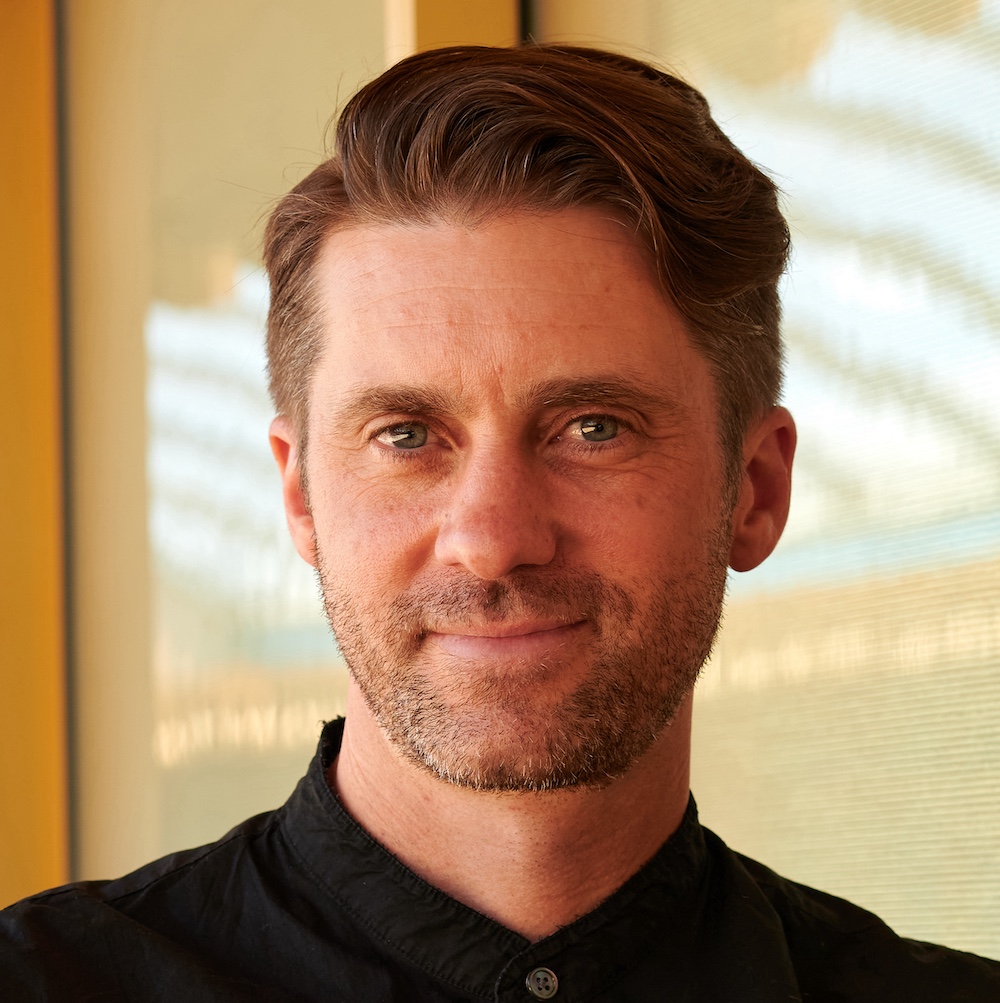
Travis Ramsey
Building software since 1998 and consulting since 2008, designing custom systems and implementing platforms like Salesforce, including work for WeWork, Handy, and eBay. Eight products built. Two companies founded and exited. Experienced in regulated and HIPAA-compliant environments. Climate and sustainability specialty.
The work is not code. It is designing how a business operates, and the experience of the people inside and outside it, then building the technology that carries it.
In the age of AI, the hard part is figuring out what to build and why. That is the part I am good at. At heart, I am obsessed with improving how businesses work.
Read the full storyTell us what is not working.